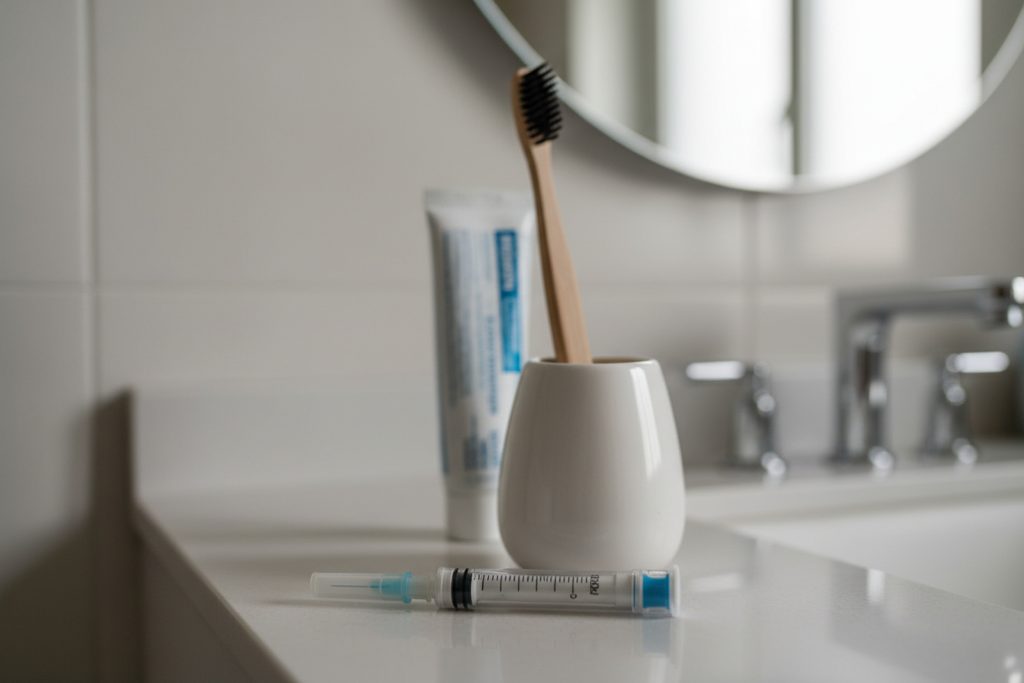
GLP receptor agonists (medications you may know as Ozempic or Zepbound) have become extremely popular and are widely used for managing metabolic disorders such as diabetes, as well as for weight loss. While these medications are well known for their impact on weight and blood sugar, new research shows they may also offer surprising benefits for teeth and gums.
Research on this topic is just starting to emerge, but a new study suggests that there may be a direct benefit to gum health from these weight-loss injections. In addition, we already know that maintaining a healthy weight and lifestyle is connected to your dental health.
Let’s look at how GLP weight loss drugs might improve your oral health, as well as a few side effects you should watch for.
GLPs and Gum Health
Gum disease is a chronic inflammatory condition that damages the gums and bone supporting your teeth. We already know that gum health and systemic conditions like diabetes and obesity are highly interconnected. Diabetes can negatively affect gum health, but periodontal disease can also be a risk factor for diabetes.
GLP agonists work by regulating glucose metabolism and reducing inflammation. Because periodontitis is driven by inflammation, the anti-inflammatory effects of the medications can help reduce tissue swelling and protect against gingivitis. In fact, research shows that these medications can help promote tissue healing, reduce oxidative stress, and even promote bone regeneration.
Additional Benefits of Weight Loss for Your Smile
Beyond these studied effects, losing weight and improving your metabolic health can lead to other theoretical benefits for your mouth.
Less Systemic Inflammation
Weight loss naturally decreases the amount of inflammation in your body. Lower inflammation makes your gums less susceptible to the effects of periodontal disease. There are also links shown in medical literature between systemic inflammation and heart disease, as well as between oral health and cardiovascular health. While these ties need to be studied further in the context of GLPs, it is at least possible that all of these risks are interconnected and can be reduced by maintaining a healthy weight.
Improved Sleep Apnea
Carrying excess weight is a leading cause of obstructive sleep apnea. Sleep apnea often causes people to breathe through their mouths at night. Mouth breathing leads to a dry mouth, which increases your risk of cavities and bad breath. As weight loss improves sleep apnea, there is a good chance that nighttime breathing will normalize, protecting your teeth from decay.
Better Blood Sugar Control
Elevated blood sugar creates a host of negative systemic effects. When it comes to your mouth, high blood sugar can create an environment where harmful oral bacteria thrive. By managing your blood sugar, GLP-1 medications help keep these bacteria in check.
Potential Negative Impacts to Watch For
While there are clear benefits, GLP-1 medications can also cause side effects that may impact your oral health in negative ways. It is a good idea to be aware of these, so you can manage them effectively.
Acid Reflux and Nausea
These medications can slow down digestion, leading to nausea, acid reflux, and even vomiting. Stomach acid is highly corrosive and can quickly wear away your tooth enamel.
If you experience acid reflux or vomiting, wait at least 30 minutes before brushing your teeth. Brushing immediately on weakened enamel can cause additional erosion. Instead, rinse your mouth with water or a fluoride mouthwash right away.
Dry Mouth
Some patients report experiencing a dry mouth while taking these drugs. Saliva washes away food particles and neutralizes plaque acids, so a lack of saliva increases your risk of tooth decay.
While on weight loss drugs, it is imperative that you drink plenty of water throughout the day to combat dry mouth and dehydration.
Don’t Neglect Regular Dental Visits
While it is always important to see your dentist for routine cleanings and exams every six months, this is especially true when taking any medication that can impact oral health, including GLPs.
If you have questions about how your medications are affecting your smile, contact our office to schedule your next visit!