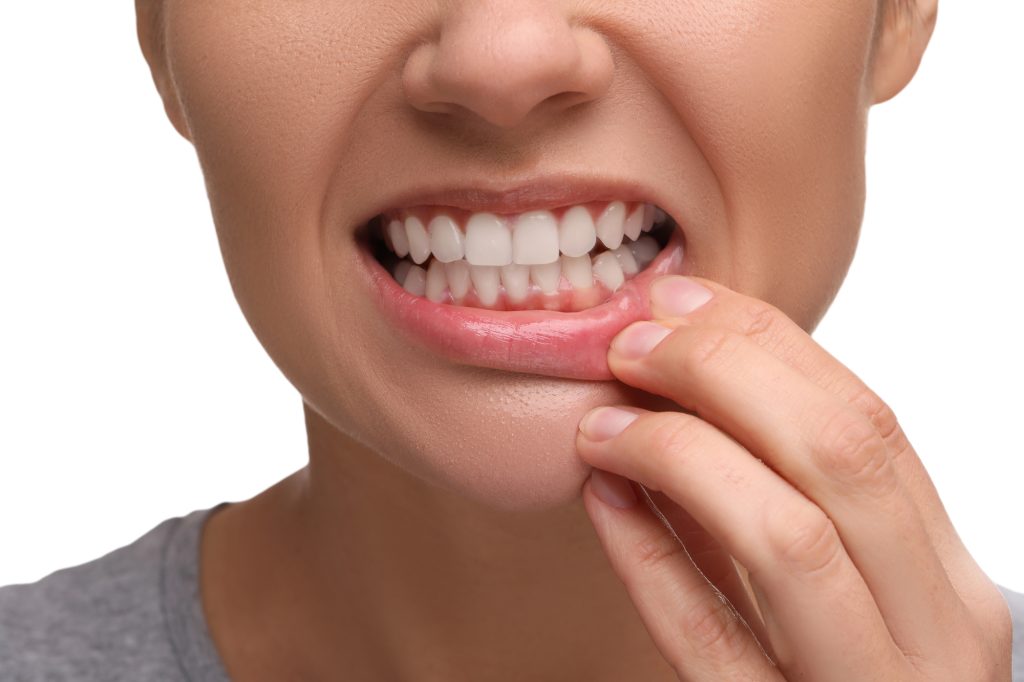
Getting a dental crown can be an excellent investment if you’ve been dealing with a cracked tooth, severe decay, or other dental issues. Whatever the reason, it’s completely normal to wonder what your crown will feel like after the procedure. Will it be noticeable or strange? How long will it take before your mouth feels normal again?
The good news is that most patients adjust to their new dental crown fairly quickly. While everyone’s experience is different, understanding what to expect can help ease any concerns and set you up for a smooth recovery.
What is a Dental Crown?
A dental crown is a custom-made cap that fits over a damaged or weakened tooth. It’s designed to restore the tooth’s shape, size, strength, and appearance. It’s made of durable materials that mimic the look and feel of natural tooth enamel.
Placing a crown typically requires two visits. At the first visit, we prepare the tooth, take impressions, and place a temporary crown. At the second visit, we place your custom-made crown.
The First Few Days After Your Crown
Right after your crown is placed, your mouth may feel a bit different. This is perfectly normal. Here’s what you might notice in those first few days:
Sensitivity
Some patients experience mild sensitivity to hot or cold temperatures. This usually happens because the tooth and surrounding gums are adjusting to the new crown. The sensitivity should decrease within a few days to a couple of weeks.
Bite Adjustment
Your bite might feel slightly off at first. Even though we carefully adjust the crown before cementing it in place, it can take a little time for your jaw muscles and teeth to adapt to the new surface.
Gum Tenderness
The gum tissue around the crowned tooth may feel tender or swollen, especially if any preparation work was done. This should improve as the area heals.
If you notice any sharp pain, difficulty chewing, or if the crown feels loose, contact our office right away. These could be signs that the crown needs a minor adjustment.
1-2 Weeks
For most people, the adjustment period lasts about one to two weeks. During this time, your mouth gradually adapts to the presence of the crown. You’ll likely notice that any initial sensitivity starts to fade, and your bite begins to feel more natural.
Here are a few tips to help you through this period:
- Stick to Soft Foods: For the first few days, choose softer foods that are easier to chew. Avoid anything too sticky, hard, or crunchy that could put extra pressure on the crown.
- Practice Good Oral Hygiene: Continue brushing twice a day and flossing gently around the crown. Keeping the area clean helps prevent irritation and promotes healing.
- Chew on the Opposite Side: If possible, try chewing on the opposite side of your mouth to give the crowned tooth a bit of a break while it settles.
- Be Patient: Give yourself time, and don’t be alarmed if things feel a little off for a few days.
By the end of the second week, most patients report that their crown feels like a natural part of their smile. You should be able to chew comfortably, and any lingering sensitivity should be minimal or gone entirely.
However, every patient is different. Some people feel completely comfortable within a few days, while others may take closer to two or three weeks.
Signs That Something Might Need Attention
If you’re still experiencing discomfort after three weeks, or if the crown continues to feel uncomfortable when you bite down, it’s a good idea to schedule a follow-up appointment. While most people adjust to their crowns without any problems, there are a few signs that you should watch for:
- Persistent Pain: Mild discomfort is normal, but sharp or persistent pain could indicate an issue with the crown or the tooth underneath.
- Loose Crown: If the crown feels loose, contact us immediately. A loose crown can allow bacteria to get underneath, leading to decay.
- Difficulty Chewing: If you’re consistently avoiding certain foods weeks after your crown placement because of discomfort, you may need an adjustment.
- Gum Irritation: While some tenderness is expected at first, ongoing redness, swelling, or bleeding around the crown should be evaluated.
Getting used to a dental crown is usually a quick and smooth process. If you are still having worrisome symptoms after several weeks or if you have any questions about dental crowns or bridges, contact us today!