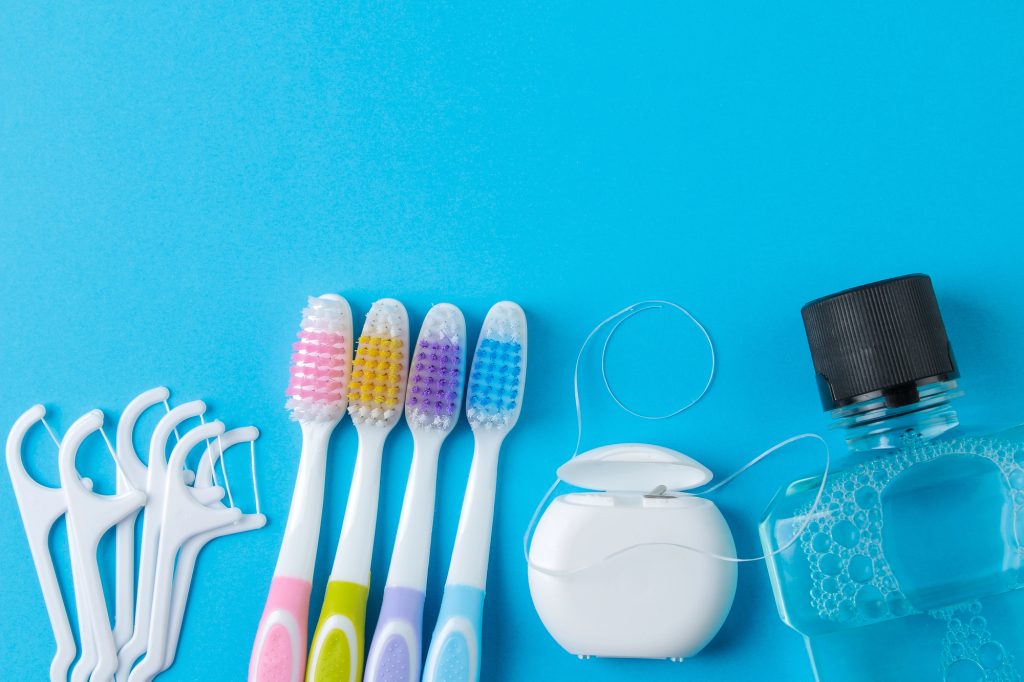
Plastic use has been a recent focus of sustainability efforts in recent years, as many of us are looking for ways to reduce our environmental impact.
A great place to start is daily routines, and that includes your oral care routine. While maintaining excellent oral hygiene is non-negotiable for healthy teeth and gums, many dental care products contribute to plastic waste.
Fortunately, you can make more sustainable choices without compromising the effectiveness of your oral health regimen.
Reducing Single-Use Plastics in Your Routine
Single-use plastics are a major source of waste. Toothpaste tubes, floss containers, and disposable toothbrushes are used for a short time and then thrown away. By seeking out alternatives, you can significantly cut down on the amount of plastic you discard.
Choose a Better Toothbrush
Billions of plastic toothbrushes end up in landfills and oceans each year. A simple and effective change is to switch to a toothbrush made from more sustainable materials. Just be sure to look for the ADA seal.
- Bamboo Toothbrushes: Bamboo is a fast-growing, biodegradable resource. A bamboo toothbrush offers a similar feel to a plastic one, but its handle can be composted after the bristles are removed.
- Recycled Plastic Brushes: Some companies manufacture toothbrushes from recycled plastic, which helps reduce the demand for new plastic production.
- Brushes with Replaceable Heads: Another option is a toothbrush with a reusable handle and a small, replaceable head. This design reduces plastic waste by over 80% compared to a standard disposable brush.
Re-Think Your Toothpaste
Standard toothpaste tubes are typically made from a combination of plastic and aluminum, making them difficult to recycle. But a growing number of brands are now producing toothpaste in 100% recyclable plastic tubes. Look for packaging that clearly states it is recyclable.
Tooth paste tablets or powder are often packaged in a recyclable glass. You dip a wet toothbrush into the powder or chew the tablet until the texture becomes similar to paste then brush normally. Again, make sure your choice is approved by the ADA and contains enamel-strengthening fluoride.
Find Sustainable Floss
Most dental floss is made of nylon and comes in a small plastic case.
- Refillable Floss Dispensers: Some brands offer a durable glass or metal floss dispenser that you can refill with floss spools. This eliminates the need to buy a new plastic case every time.
- Silk or Plant-Based Floss: Traditional floss is a synthetic product. Biodegradable floss made from silk or corn fiber is a compostable alternative that works just as well.
Consider Your Cup
While you should thoroughly rinse your toothbrush after every use, you actually should not rinse your mouth. Allowing toothpaste to stay on tooth surfaces increases the effectiveness of fluoride.
However, if you must rinse, instead of letting the water run while you rinse your mouth, use a reusable cup. Avoid disposable options that contribute to unnecessary waste.
Recycling and Reusing Dental Products
Before you throw something away, consider if it can be recycled or reused. While not all dental products are accepted in curbside recycling bins due to their complex materials, there are specialized programs that can help you dispose of them responsibly.
Companies like Terracycle partner with brands to create free recycling programs for hard-to-recycle items. You can collect your old toothbrushes, toothpaste tubes, and floss containers and mail them in. In addition, some stores and dental practices offer collection bins for oral care products. Check with your local providers to see if they participate in a take-back program.
Before recycling, make sure to clean out any remaining product. Squeeze out as much toothpaste as you can, and rinse toothbrushes thoroughly.
Maintaining Your Oral Health is Still #1
While adopting eco-friendly habits is admirable, it should never come at the expense of your oral health. Luckily, there are ways to be conscious of your waste and still care for your teeth and gums.
If you have questions about whether eco-friendly options are effective, ask our team at your next appointment. We can provide recommendations and ensure your efforts to go green do not compromise the health of your smile.