Gingivitis is caused by the buildup of plaque, a sticky film of bacteria, along the gumline. Fortunately, because it is only the earliest stage of gum disease, gingivitis is generally reversible with proper care.
If you have been diagnosed with gingivitis, you have likely been diligent with your oral hygiene routine to reverse it. So, how do you know when it is fully resolved?
Signs of Healing
Treatment for gingivitis primarily involves improving your oral hygiene. The good news is that the healing process should start right away. As your gums heal, you should observe several positive changes.
Bleeding Subsides
Bleeding gums while you brush or floss is an indicator of gum disease. In fact, it is often the first sign of gingivitis that many people notice. When bleeding ceases or is markedly reduced, you can feel confident that gum inflammation is subsiding. Don’t be discouraged if bleeding doesn’t stop right away. When you are brushing and flossing more diligently, your gums may bleed at first. However, after a few days or weeks, bleeding should decrease and eventually stop.
Improved Color
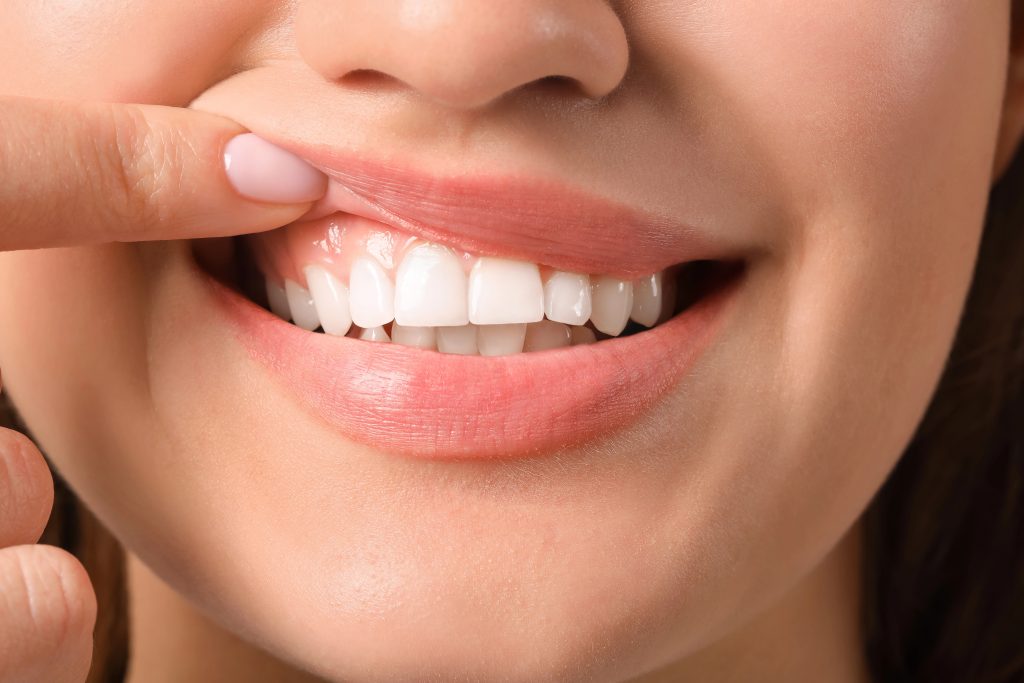
Healthy gums should have a consistent, pale pink color. The bright red or even purplish tint associated with gingivitis will fade as the inflammation goes down. The exact shade of pink can vary from person to person, but it should look uniform and natural.
Better Texture and Shape
Inflamed gums often appear puffy and swollen. As they heal, they will return to being firm and flat against your teeth. The edges of the gums, where they meet the teeth, should be sharp and scalloped, not rounded or swollen. When you notice this more flush appearance, you can be confident your gums are healing.
Return of Firmness
Gently pressing on healthy gums should not cause pain or leave a significant indentation. They should feel firm to the touch and free from soreness or pain. Gums that are soft or spongy are still showing signs of inflammation.
Maintaining Gum Health
Reversing gingivitis is a significant accomplishment, but the work does not stop there. Gingivitis developed because of plaque buildup, and if your oral hygiene habits slip, the condition can quickly return.
Your daily care should include all of the following components to keep your gums healthy for the long term.
Effective Brushing
You know you should brush twice a day, but the technique is just as important as the frequency. Use a soft-bristled toothbrush and angle it at 45 degrees toward the gumline. This allows the bristles to clean the tooth surface and gently sweep away plaque from around the gums. Be sure to brush for at least two minutes each time to clean effectively.
Daily Flossing
Flossing is a non-negotiable part of preventing gingivitis. A toothbrush cannot reach the spaces between the teeth and under the gumline, where plaque and food particles accumulate. Flossing once a day removes this debris and stops the bacteria that cause inflammation. If you find traditional floss difficult to use, options like floss picks or a water flosser can be effective alternatives.
Using an Antiseptic Mouthwash
In some cases, your dentist may recommend an antiseptic mouthwash to supplement your brushing and flossing routine. These rinses can help reduce the amount of bacteria in your mouth and control plaque buildup. It is best to use a mouthwash as advised by a dental professional.
Regular Dental Cleanings
Professional cleanings at least twice per year are essential for maintaining your best possible oral health, including gum health. Your dentist can clean your teeth and gums more thoroughly than you can at home, plus we can spot the earliest signs of trouble and help you get back on track.
When to See Your Dentist
Speaking of professional dental cleanings, they are an excellent way to kick-start the healing process. In addition, it is a good idea to schedule a follow-up appointment after a few weeks of diligent home care to check for any remaining signs of inflammation.
Of course, you should also contact our office if you do not see improvement after several weeks of consistent care. If your gums continue to bleed, remain swollen, or feel tender, it could be a sign of a more advanced issue.
If you have any questions about beating gingivitis, or if you suspect you may have gum disease, please contact our office to schedule an appointment today!